
How the alt-right won
📝 A guest post...


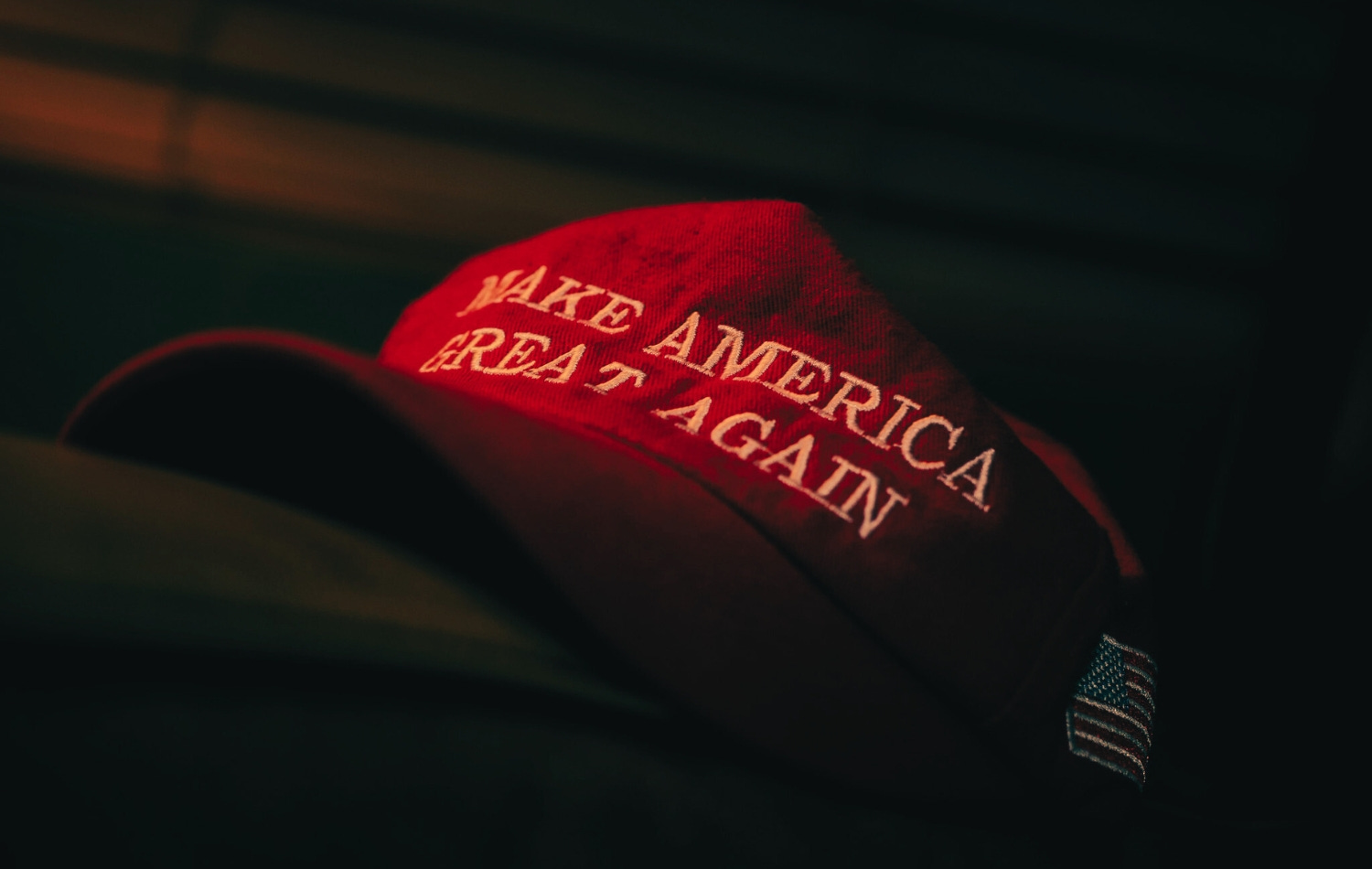
📝 Sam Bright
Remember the alt-right?
A decade ago, it felt as though you could barely move on the internet without seeing a breathless column speculating about this new political phenomenon.
The label attempted to describe a new American movement that was adopting many of the causes of the far-right – particularly white nationalism – and blending them with the grievances of online male subcultures.
The end product was an anti-feminist, anti-immigrant, combative creed that used its social media firepower to upend and radicalise the American right through the vector of Donald Trump.
Indeed, it could be argued that the alt-right has broadly disappeared from discourse due to its own success. It swallowed the American right, shedding its “alt” in the process.
To analyse how this has happened, and what it means for the future of the U.S. (and the world), I asked my former colleague Mike Wendling to give his view.
There’s basically no one better qualified to talk about this topic – Mike has literally written a book about the alt-right – and I hope you’ll all consider subscribing to his Substack.

📝 Mike Wendling
War with Venezuela, the Epstein files, the looming end of healthcare subsidies – with everything going on in American politics, it’s curious that the controversy currently roiling Donald Trump’s MAGA movement involves a YouTube interview (and one that the president wasn’t even involved in).
The fallout from Tucker Carlson’s recent love-in with white nationalist Nick Fuentes has continued to divide American conservatives along a line which can be neatly boiled down to: are you cool with guys who talk up Hitler, or not?
The fact that there’s a large number of people who fall in the former category – on grounds of free speech, or expanding the Overton window of acceptable discourse, or just garden-variety hatred of Jews – hasn’t surprised anyone who’s had their eyes on the American right in recent years.
And yet, some MAGA leaders appear to have been caught off guard by the fascism in their midst.
One conservative activist recently recounted a meeting with a prominent – albeit non-white – Republican politician. He told me the politician had been caught off guard by a recent spike in racial abuse directed towards him and his family. Congratulations, Mr Fuentes – mission accomplished.
To be fair, there are conservatives pushing back against the tide of groypers (Fuentes’ fans, named after a cartoon frog, it’s a long story) and have been decrying “woke right” screen-drunk bros taking the idea of conservatism to its fascist extremes.
Others, JD Vance perhaps chief among them, are trying to both avoid outward sympathy towards white nationalists while dodging abuse from some of the nastiest people on the internet.
But the key thing recent furious online arguments have demonstrated is how a movement that seemed to be a weird relic actually has an enormous influence on Trump’s second go in the White House.
You don’t hear much about the “alt-right” these days – those trollish, conspiracy-addled, race-obsessed extremely online yappers who emerged into public consciousness a decade ago, and who were either neo-Nazis or just playing neo-Nazis for the sick thrill of it.
There were always debates about how serious they were, and how extreme they were. I wrote a whole book about those arguments, and found pinning these guys down (they are mostly guys) nearly impossible. That was even before the bloody “Unite the Right” march in Charlottesville, Virginia in 2017, which assembled an assortment of fascists and neo-Nazis, Klansmen and white nationalists, and which made the “alt-right” label verifiably toxic.
Nobody wanted to be called alt-right after the ugly scenes and the murder of a left-wing activist in Charlottesville, so the term faded out. But the ideas behind it have lived on – actually, thrived – in the eight years since.
In the United States, mass deportations are happening, accompanied by politically motivated paramilitary action in big left-leaning cities. The Trump administration is extremely online, from the ‘DOGE’ circus to its full embrace of crypto, to trollish posts pumped out by the 20-somethings who appear to control the social media accounts of major government departments.
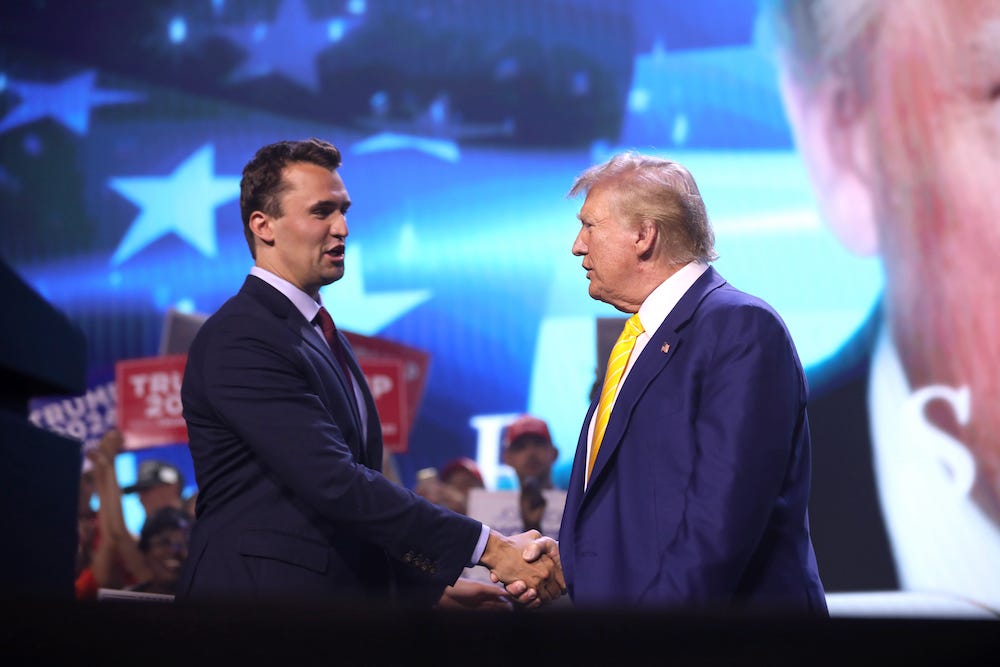
And, during his latest election campaign, Trump actively courted another key faction of the alt-right: the manosphere – a strategy that appears to have worked.
Even Charlie Kirk, who for years was berated by Fuentes’ followers for being too pro-Israel and not sufficiently obsessed with the white race, had by the end of his life taken a much harder position on immigration and a host of related issues, such as the threat – as he saw it – posed by Islam.
Groypers tried to infiltrate Kirk’s Turning Point USA events and didn’t always succeed, but a virulent strain of nativism did invade Kirk’s bombastic, confrontational MAGA brand.
The alt-right also smuggled the use of conspiracy theories into American politics in a very specific way – not primarily to convince people that the moon landings were faked or the Holocaust didn’t happen, but as a political tactic to confuse the media, smear opponents, and whip up supporters.
Trump himself came to prominence on the back of conspiracy theories about Barack Obama. It’s a straight line from Trump’s bonkers “birther” theories to the “Stop the Steal” movement that launched a riot on January 6, 2021, and the nonsense we now deal with on a daily basis.
Of course, if you play with that kind of fire you end up 100% cooked, which explains why one branch of the “woke right” battle involves Turning Point allies trying to stop all sorts of crazy rumours about Kirk and his murder. It’s not going very well – unsurprisingly.
I should note – since Sam’s Substack is heavily concerned with the British flavour of populism – this fight is definitely coming to Britain. In fact, it’s already here.
Reform folks are currently trying to figure out how far they should push the conspiracy envelope. Nigel Farage wondered aloud whether “truth is being withheld from us” following the Southport attack. The party has actively boosted anti-vaxxers and climate science conspiracy theorists.
It remains to be seen whether they will go full Trump by leaning into the batshit, or be scared straight by the prospect of having to run a country.
All the while, this is very depressing for those of us in the reality-based community.
But allow me to give you some reasons for hope. Firstly, the arguments of the alt-right crumble under moderate scrutiny, the sort that shows their memes to be just a glossy patina slapped on old, outdated, profoundly lame and profoundly unpopular ideas.
And while the alt-right might have crept into power in America, it’s also currently blowing up Trump’s winning coalition. They may have power now, but they never win for long before the infighting rages once more.
Don’t let the shocking memes confuse you – the alt-right is just like any other movement of puritan extremists; it contains the self-destructive seeds of its own downfall.
📣 If you’d like to see more articles from Mike and other great writers on this page, please consider taking out a paid subscription…
If you have the Substack app, your provider (e.g. Apple or Android) may show you a higher price, because they add a 30% commission. If you want to see the lowest price, use this link in your search browser or on a laptop/desktop device: writesbright.substack.com/subscribe
Mike Wendling is the BBC’s former U.S. National Digital Reporter in Chicago and the author of Alt-Right: From 4Chan to the White House. He also runs the Substack, Day of Reckoning.

 | A guest post by
|
Excellent framing of how movements succeed by disapearing into the mainstream. The observation that they "shed the alt" precisely because they swallowed the whole thing is spot-on. I've noticed similar patterns in tech where extremist positions gradualy normalize by sheer repetition until they're no longer considered extreme. The self-destructive infighting you mention might be the only brake on this.
Very interesting and informative argument for why the right has dominated our most ‘recent’ politics.